
Listen to the cards.
Bring one question you cannot stop turning over. Ask the cards, then read the meaning without handing your agency away.
Most-searched tarot cards
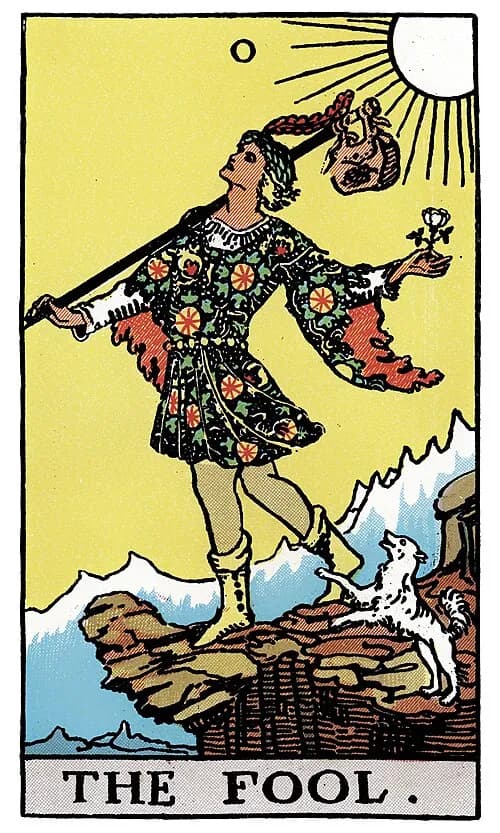
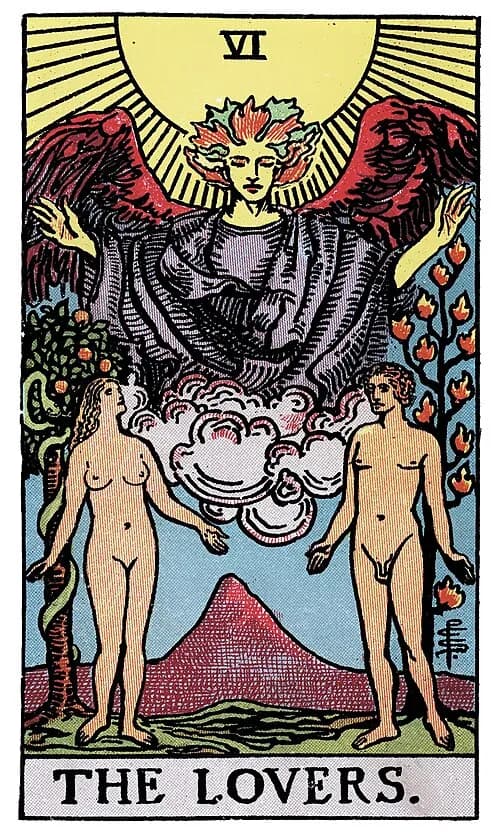
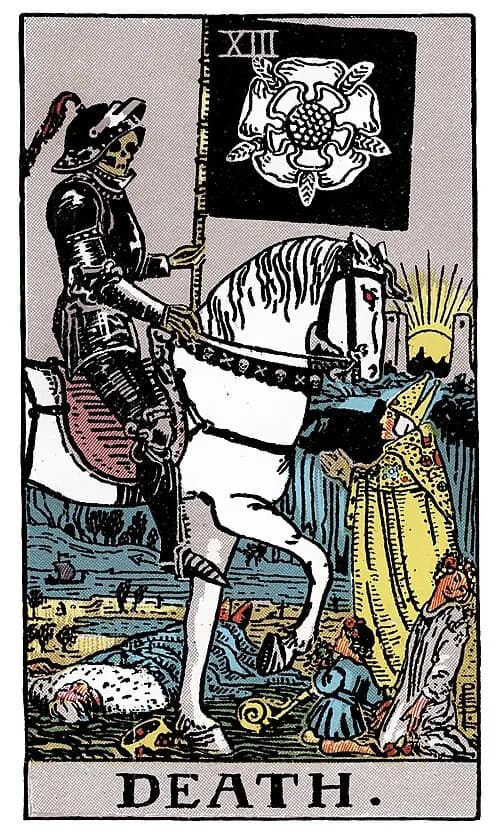
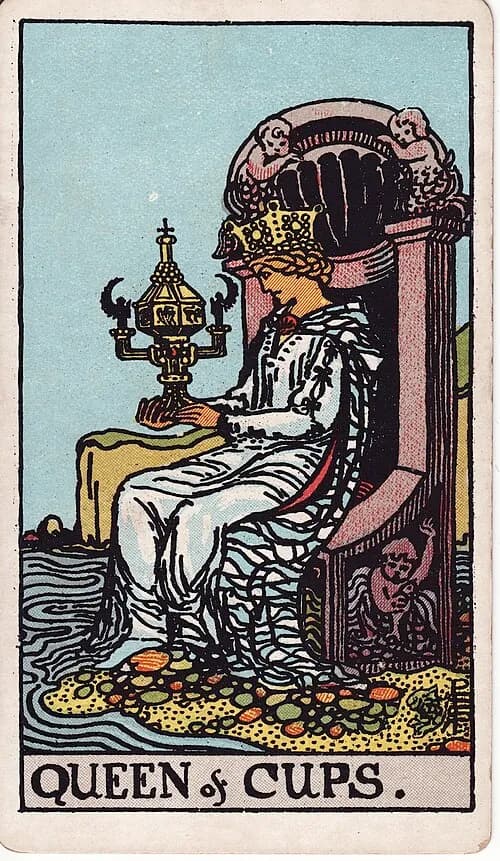
These eight cards draw the most questions — tap any card to read its full meaning.
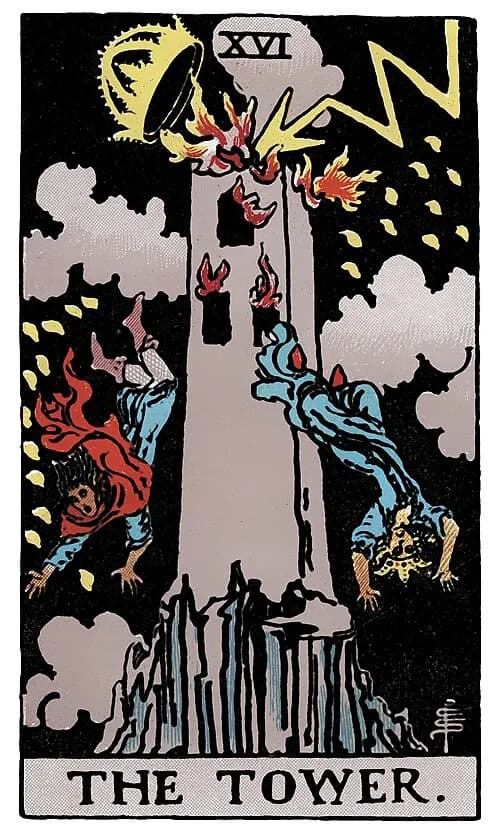
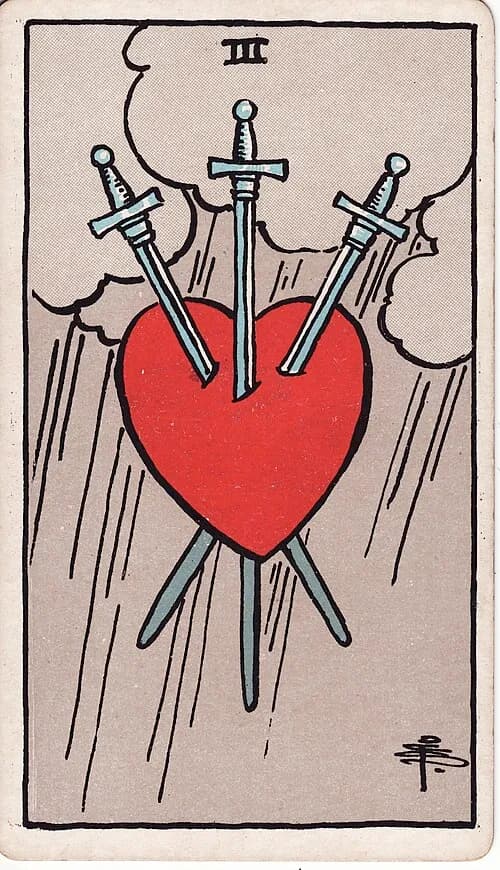
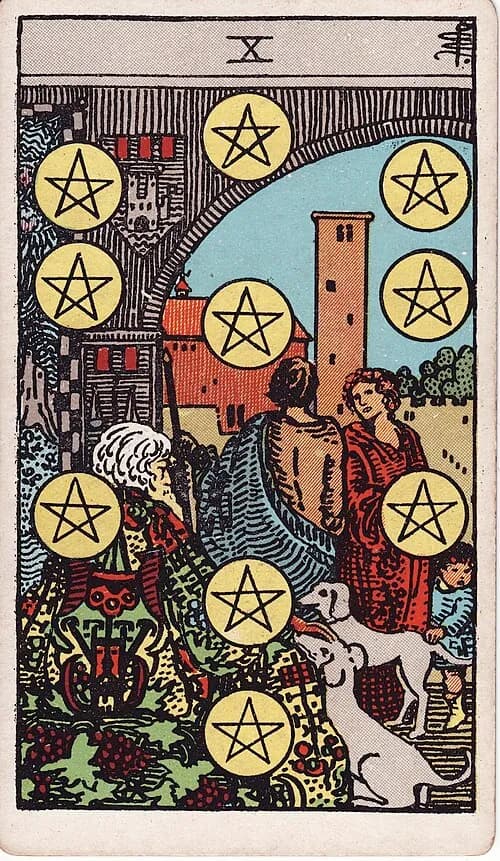
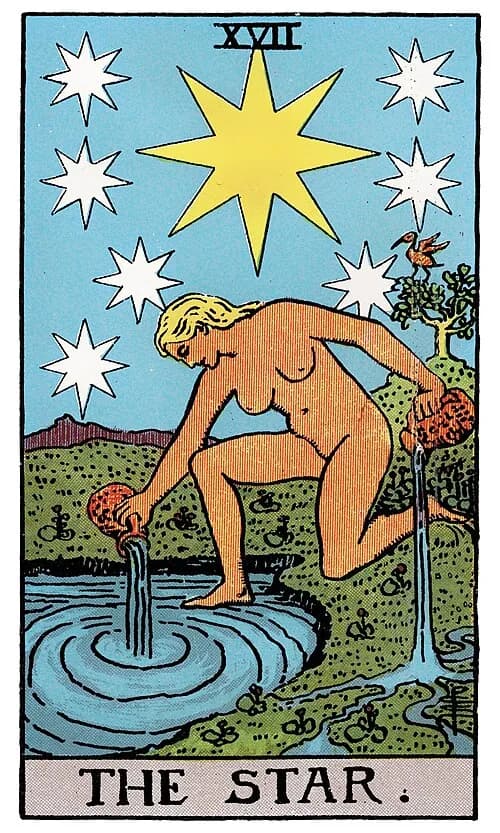
Browse by suit
The deck divides into five groups — the Major Arcana and four elemental suits. Explore each one.
What is tarot?
Tarot is a deck of 78 illustrated cards used as a tool for reflection. The 22 Major Arcana describe the great themes of a life — love, change, endings, beginnings — while the 56 Minor Arcana speak to the texture of daily experience. A tarot reading is not a forecast; it is a conversation with your own intuition.
Start with these tarot guides
Broader guides for the questions people ask before they know which single card they need.
Tarot Card Meanings: 78-Card Guide for Beginners
Learn upright and reversed meanings, Major vs Minor Arcana, the four suits, court cards, and how to read any tarot card in context.
Yes or No Tarot: Ask Better Questions, Read Maybe Cards
Learn when yes-or-no tarot works, how to phrase binary questions well, what a maybe card means, and when to switch to a clarifier or 3-card spread.
3-Card Tarot Spread: Past, Present, Future and More
Learn the best three-card position systems, how cards influence each other, and how to turn a spread into one practical next step.
Love Tarot Card Meanings: What the 78 Cards Say About Relationships
Learn how tarot cards shift in love readings: attraction, distance, commitment, conflict, reconciliation, and what upright or reversed cards can mean in relationships.
How to Read Reversed Tarot Cards: 5 Practical Ways
Learn a practical system for tarot reversals: blocked energy, inward movement, delay, excess, release, and when you may not need reversals at all.
Court Cards Tarot Meanings: Pages, Knights, Queens, and Kings
Understand tarot court cards without guessing: how to read them as people, roles, energies, or relationship dynamics across all four suits.
Tarot for Feelings: How to Read Someone's Emotions Clearly
Learn how to read feelings in tarot without forcing certainty: attraction, hesitation, avoidance, availability, and what the suits reveal.
The Moon as Feelings: Upright, Reversed, Love & No Contact
Learn what The Moon means as feelings in tarot: uncertainty, longing, projection, fear, hidden emotion, reversed clarity, and what to do in love or no contact.
Career Tarot Spreads: Best Layouts for Work, Money, and Next Steps
Use tarot spreads for career questions with more structure: job decisions, burnout, money pressure, workplace dynamics, and the next practical move.
Major Arcana Guide: The 22 Tarot Cards and the Fool's Journey
Understand the 22 Major Arcana as one larger arc: turning points, life lessons, spiritual pressure, and why these cards speak louder.
Questions to Ask Tarot: Better Prompts for Clearer Readings
Learn how to ask tarot better questions for love, work, timing, decisions, and self-reflection so your readings stay specific, grounded, and actually useful.
Tarot Card Combinations for Beginners: How to Read Cards Together
Learn a beginner-friendly way to read tarot card combinations: repeated suits, contrast, flow, supporting cards, and how to stop reading each card in isolation.
Tarot for Self-Love: Readings for Worth, Care, and Healing
Use tarot for self-love without empty affirmations: learn how the cards speak about worth, boundaries, rest, inner criticism, healing, and rebuilding trust with yourself.
How a reading works
Center yourself
Take a breath. Hold a question loosely in mind — open ones work best.
Draw the cards
Choose a spread and draw. Each position carries its own meaning.
Listen
Read the meanings as prompts, not verdicts. Notice what resonates.